Shocked Your Pool? What to Do Next (and Why It's Cloudy)
What happens after you shock a pool, how long to wait before swimming, why the water often turns cloudy, and how to tell when the shock has done its job.
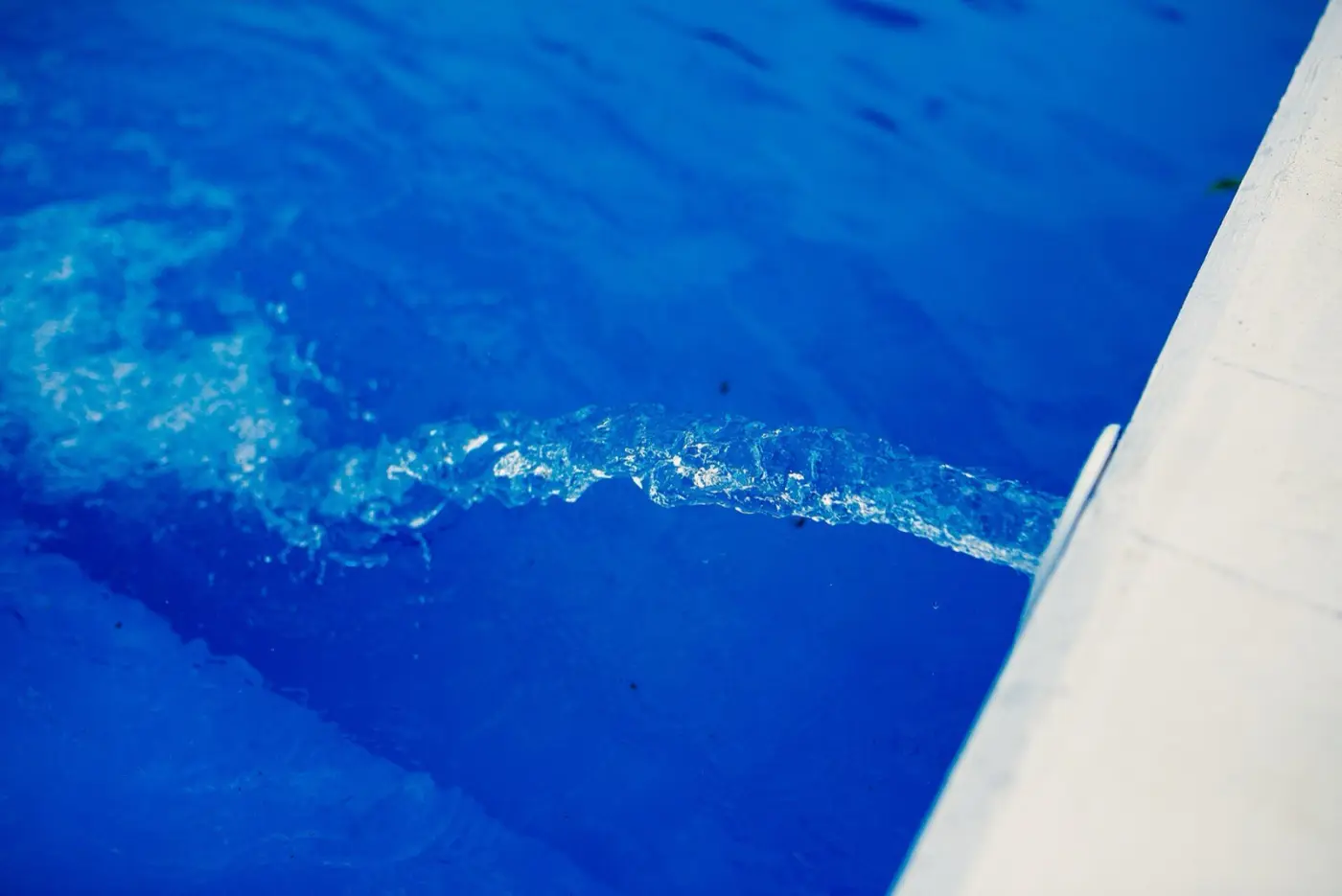
You’ve added the shock. Now the part that decides whether it works: what you do over the next day or two. Here is what to expect and what to do, hour by hour.
The first hours: let it circulate
- Keep the pump running, ideally around the clock until the water is clear.
- Brush the walls and floor. Algae and biofilm cling to surfaces where chlorine reaches them slowly.
- Leave the cover off for the first few hours, unless your product label says otherwise.
- Stay out of the water. Chlorine at shock level irritates eyes and skin.
How long before you can swim
You can swim when free chlorine is back to your normal level. That’s often at least 7.5% of your stabilizer level, and no higher than you’re comfortable with. Test, don’t guess: after a big dose in a stabilized pool, that can take more than a day.
If you shocked a green pool, you’re not done after one dose. Keep chlorine at the shock level until the water is clear (see step 5 below). The pool shock calculator gives the level for your stabilizer and the dose to get back up to it.
Why the water is cloudy after shocking
Cloudy water after a shock is common, and it’s often a good sign.
- Dead algae and debris. The shock killed them, but the particles are too fine for the filter at first. Fix: run the pump, clean or backwash the filter once or twice.
- Cal-hypo in hard, high-pH water. Calcium hypochlorite adds calcium. In water with high pH or hardness, that can leave a white haze. Fix: lower pH toward 7.2–7.4 and use liquid chlorine next time.
- Undissolved granules. Granular shock poured straight in can leave a temporary haze. Fix: pre-dissolve it in a bucket of pool water next time, unless the label says otherwise.
If the water is still cloudy after three days with good chlorine and a clean filter, read why pools get cloudy.
Signs the shock worked
The shock has done its job when all three are true:
- The water is clear, and you can see the main drain.
- Combined chlorine (total minus free) is 0.5 ppm or less.
- Free chlorine drops by 1 ppm or less overnight. Test at dusk and again at dawn.
If chlorine keeps disappearing overnight, something is still consuming it, usually algae you can’t see yet. Keep shocking.
Still green after shocking?
- It turned from green to blue-gray and cloudy: that’s progress. Keep the filter running.
- It stayed bright green and clear: that’s often metals, especially copper, not algae. Shocking can even make metal stains worse. See why a pool is green when the chlorine is high.
- It went back to green the next day: chlorine fell below shock level overnight. Raise it again and test morning and evening.
Check the rest of your water
A shock moves more than chlorine:
- Liquid chlorine raises pH briefly. Retest pH after a day.
- Cal-hypo adds calcium, about 0.7 ppm for each 1 ppm of chlorine.
- Dichlor adds stabilizer, about 0.9 ppm for each 1 ppm of chlorine. Repeated dichlor shocks raise your next shock level.
The pool chemical calculator helps you rebalance once the water is clear.
Run the numbers for your pool
Using your saved pool: . My pool
2.16 gal (276 fl oz)
of liquid chlorine 12.5% raises free chlorine from 2 to 20 ppm. Add it at dusk, pour it in front of a return jet, and keep the pump running.
- Shock level
- 20 ppm
- Increase
- 18 ppm
- Stabilizer
- 50 ppm
What to add
- 2.16 gal (276 fl oz)Liquid chlorine 12.5%
What would change your result
- Shock at dusk and hold chlorine at this level, retesting every few hours, until the water is clear.Read
Keep chlorine at shock level and retest every few hours until the water is clear. Stay out of the pool until free chlorine is back to your normal level.
Quick answers
How long after shocking a pool can you swim?
When free chlorine has dropped back to your normal range. Test first: depending on the dose, sun and your stabilizer, that takes from a few hours to more than a day.
Why is my pool cloudy after shocking?
Usually dead algae and debris too fine for the filter at first, or cal-hypo shock clouding water that has high pH or calcium. Keep the pump running and clean the filter; it normally clears in one to three days.
Should I run the pump after shocking?
Yes. Run it continuously until the water is clear, so the chlorine mixes and the filter can remove what the shock killed.
Do I need to shock again if the water is still green?
If chlorine fell below the shock level overnight, yes: top it back up. Green that stays after several days at shock level points to metals rather than algae.
Pool costs in your state
What a pool pump and a hot tub cost to run at your state's electricity price.
Keep reading
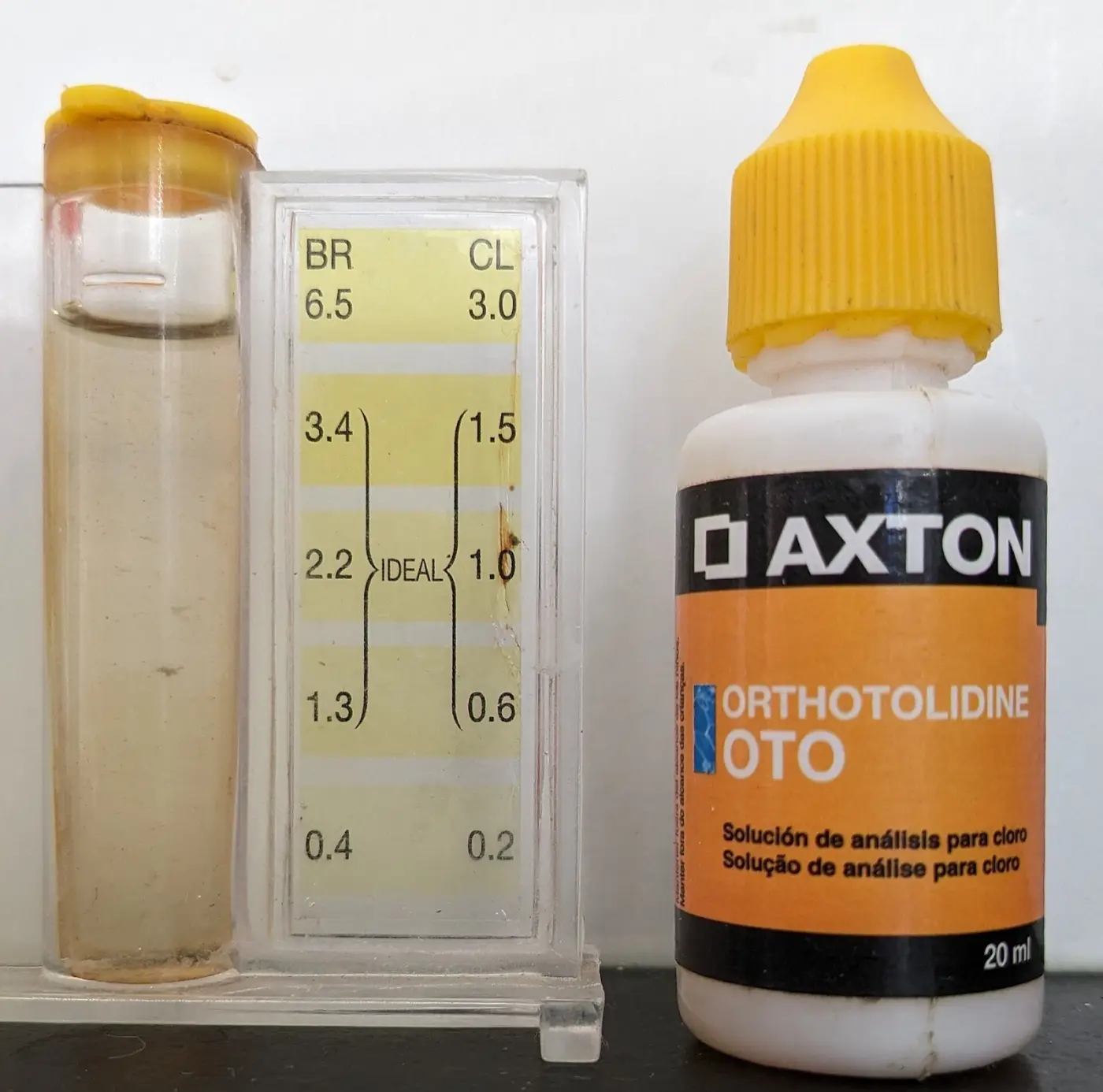 How to Raise pH in a Pool: Soda Ash, Aeration or BoraxLow pool pH stings eyes and eats equipment. Here's how to raise it with aeration, soda ash or borax, how much to start with, and why it keeps dropping.
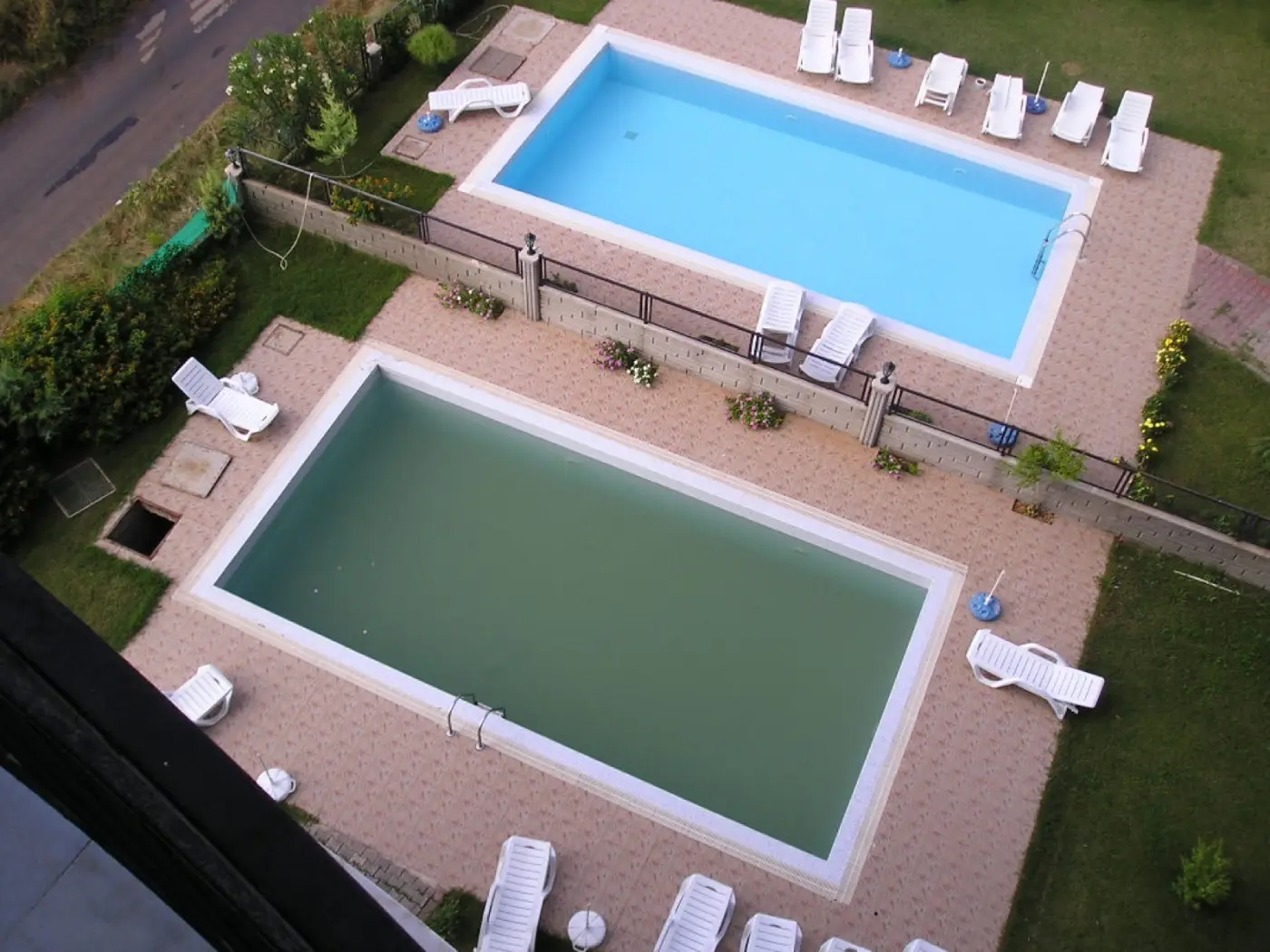 Pool Green but Chlorine Is High? 4 Real Causes and FixesA green pool with a high chlorine reading usually means metals, too much stabilizer, a misleading test or pollen. Here's how to tell which one you have and what to do.
 Pool Salt Cell Guide: How It Works, Cleaning and Low Salt ReadingsHow a pool salt cell makes chlorine, how to clean it, how long it lasts, and why it reads 'low salt' when the water isn't. A practical guide for salt pool owners.