How to Raise pH in a Pool: Soda Ash, Aeration or Borax
Low pool pH stings eyes and eats equipment. Here's how to raise it with aeration, soda ash or borax, how much to start with, and why it keeps dropping.
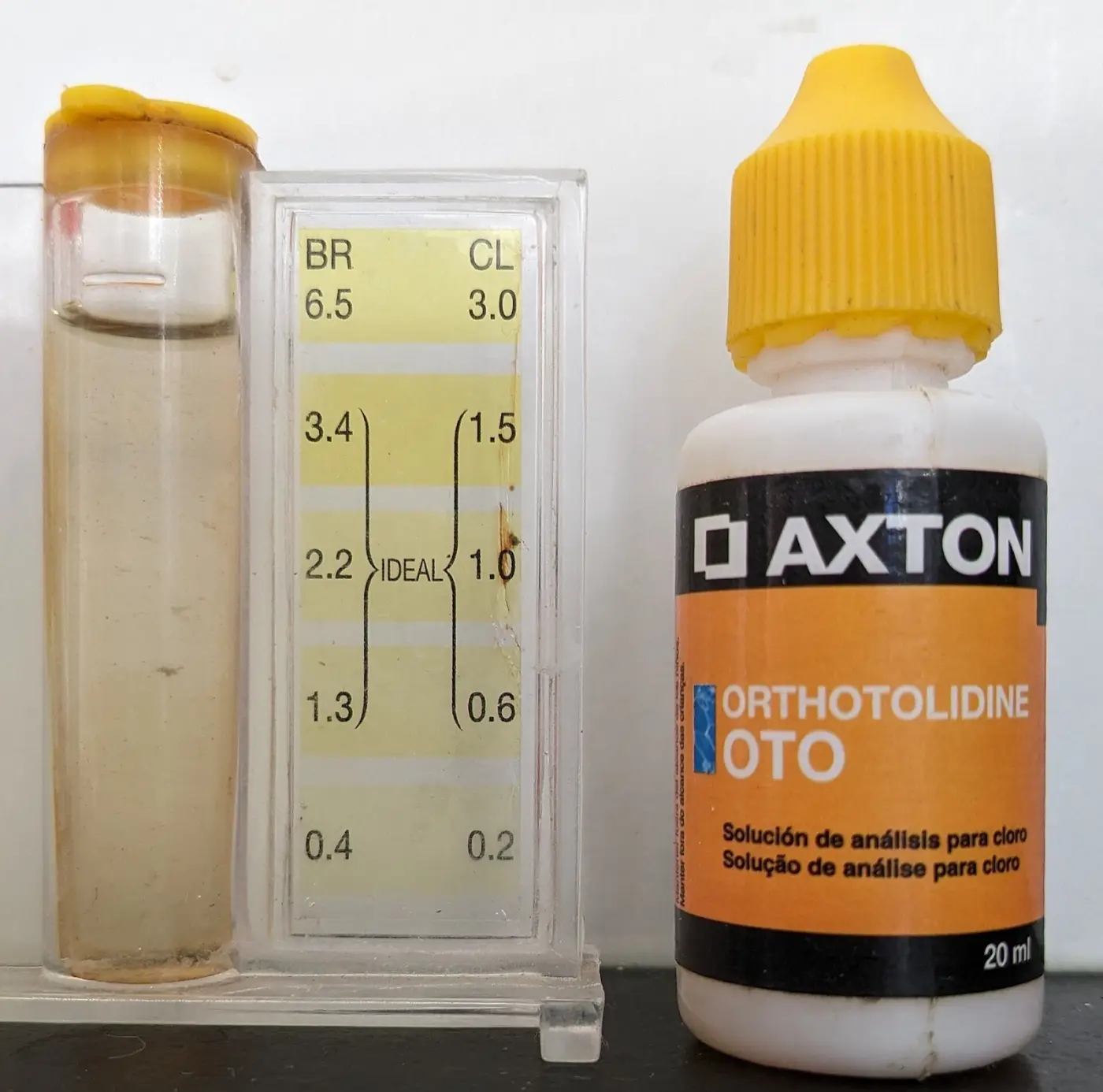
Pool water should sit at a pH of 7.2 to 7.8. Below about 7.2 it starts to sting eyes, dissolve metal from heaters and ladders, and etch plaster or wrinkle vinyl. Here’s how to bring it up, gently.
First: check alkalinity
Total alkalinity (TA) works like a shock absorber for pH. If TA is below about 60 ppm, pH will keep swinging no matter what you add. Raise TA first with baking soda: about 1.4 lb per 10,000 gallons for each 10 ppm. The pool chemical calculator gives the amount for your pool. Baking soda nudges pH up a little too.
Option 1: aeration (slow, can’t overshoot)
When water splashes, carbon dioxide escapes and pH rises, without adding chemicals or raising alkalinity much.
- Point return jets up so they break the surface.
- Run waterfalls, fountains or spa spillovers.
- Spray a hose across the surface.
It takes hours to a day or two, but it’s free and you can’t overshoot. Use it when pH is only slightly low.
Option 2: soda ash (fast)
Soda ash (sodium carbonate, sold as “pH up” or “pH increaser”) raises pH quickly and alkalinity a little.
- Start with about 6 oz per 10,000 gallons, which typically raises pH by about 0.2.
- Dissolve it in a bucket of pool water first.
- Pour it in front of a return jet with the pump running.
- Wait an hour, retest, and repeat if needed.
Too much at once can cloud the water, especially in hard water. Small steps beat one big dose.
Option 3: borax
Borax (sodium tetraborate) raises pH with less effect on alkalinity than soda ash. It needs more product per step. Dissolve it first and add it slowly.
Why pH keeps dropping
- Trichlor tablets. They’re very acidic and pull pH down every day. See liquid chlorine vs tablets.
- Low alkalinity. There’s nothing to buffer the drop.
- Heavy rain. Rain is slightly acidic and dilutes alkalinity.
- Too much acid added while lowering pH or alkalinity.
Too high instead?
High pH (above 7.8) makes chlorine weaker and leaves scale and cloudy water. See how to lower pH.
Safety
Add chemicals to water, never water to chemicals. Keep pH products away from chlorine and acid in storage, and wear gloves and eye protection.
Run the numbers for your pool
Using your saved pool: . My pool
4 chemicals to add
Add them one at a time, a few hours apart, with the pump running. Never mix chemicals together.
- Pool size
- 15,000 gal
- Chlorine target
- 4 ppm
- Stabilizer target
- 40 ppm
What to add
- 6.3 lbBaking soda (sodium bicarbonate) to raise alkalinity by 30 ppm
- 18 lbCalcium chloride (dihydrate, 77–80%) to raise hardness by 100 ppm
- 2.5 lbStabilizer (cyanuric acid) to raise CYA by 20 ppm. Dissolves slowly: use a sock in the skimmer
- 57.6 fl ozLiquid chlorine 10% to raise free chlorine by 3 ppm
What would change your result
Read every product label and follow its safety directions.
Quick answers
What raises pH in a pool?
Aeration (splashing the surface), soda ash (sodium carbonate) or borax. Aeration raises pH without raising alkalinity much; soda ash works fastest.
How much soda ash do I need to raise pH?
Start with about 6 oz per 10,000 gallons, which typically raises pH by about 0.2. The exact change depends on alkalinity, so add, circulate for an hour and retest.
Does baking soda raise pH?
A little. Baking soda mainly raises total alkalinity. Use it when alkalinity is low, then fine-tune pH with aeration or soda ash.
Can I swim with low pH?
Briefly low pH isn't dangerous, but below about 7.0 it stings eyes and skin and starts corroding metal parts and etching plaster. Fix it before swimming if you can.
Pool costs in your state
What a pool pump and a hot tub cost to run at your state's electricity price.
Keep reading
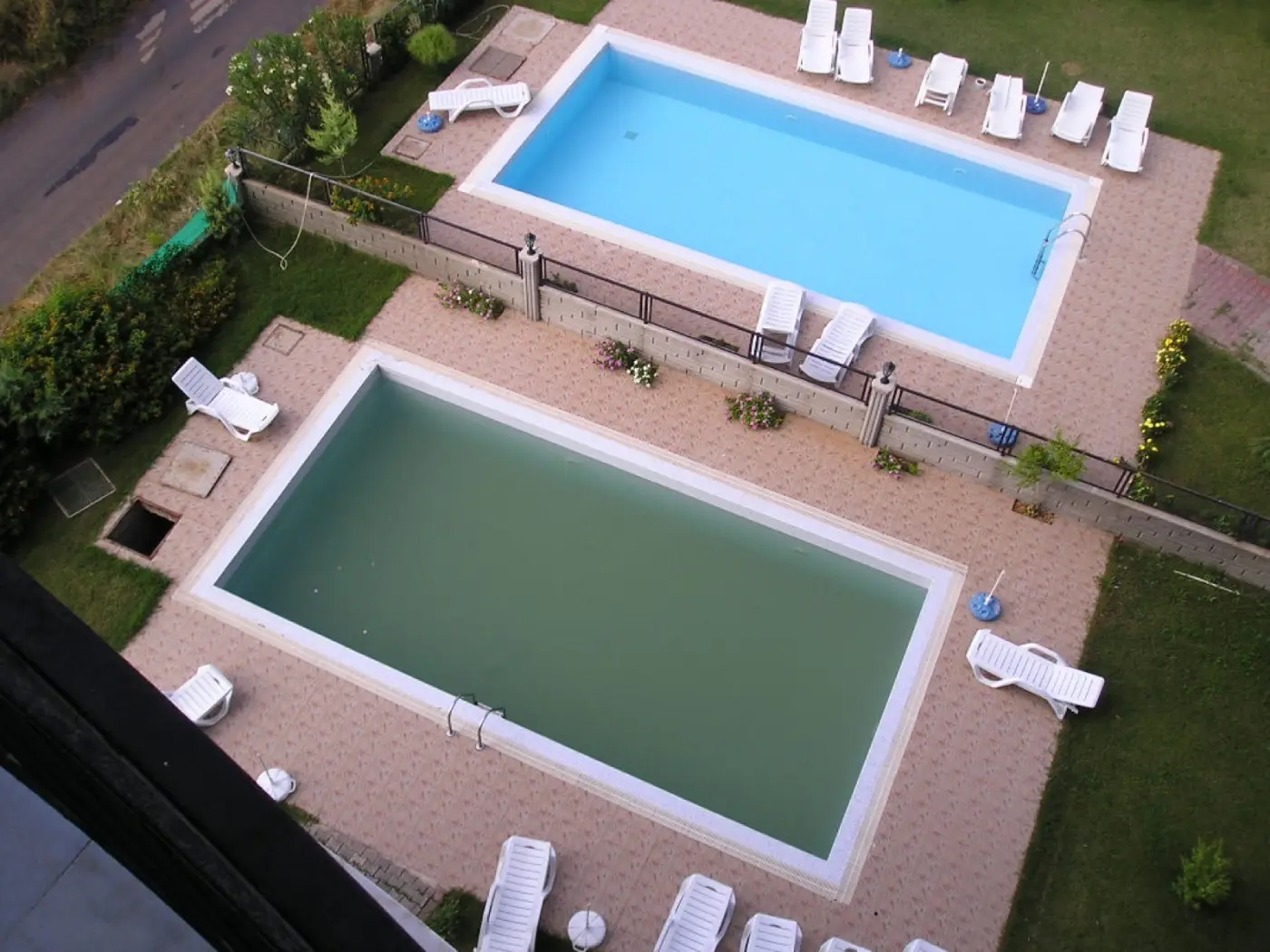 Pool Green but Chlorine Is High? 4 Real Causes and FixesA green pool with a high chlorine reading usually means metals, too much stabilizer, a misleading test or pollen. Here's how to tell which one you have and what to do.
 Pool Salt Cell Guide: How It Works, Cleaning and Low Salt ReadingsHow a pool salt cell makes chlorine, how to clean it, how long it lasts, and why it reads 'low salt' when the water isn't. A practical guide for salt pool owners.
 Shocked Your Pool? What to Do Next (and Why It's Cloudy)What happens after you shock a pool, how long to wait before swimming, why the water often turns cloudy, and how to tell when the shock has done its job.