Pool Salt Cell Guide: How It Works, Cleaning and Low Salt Readings
How a pool salt cell makes chlorine, how to clean it, how long it lasts, and why it reads 'low salt' when the water isn't. A practical guide for salt pool owners.
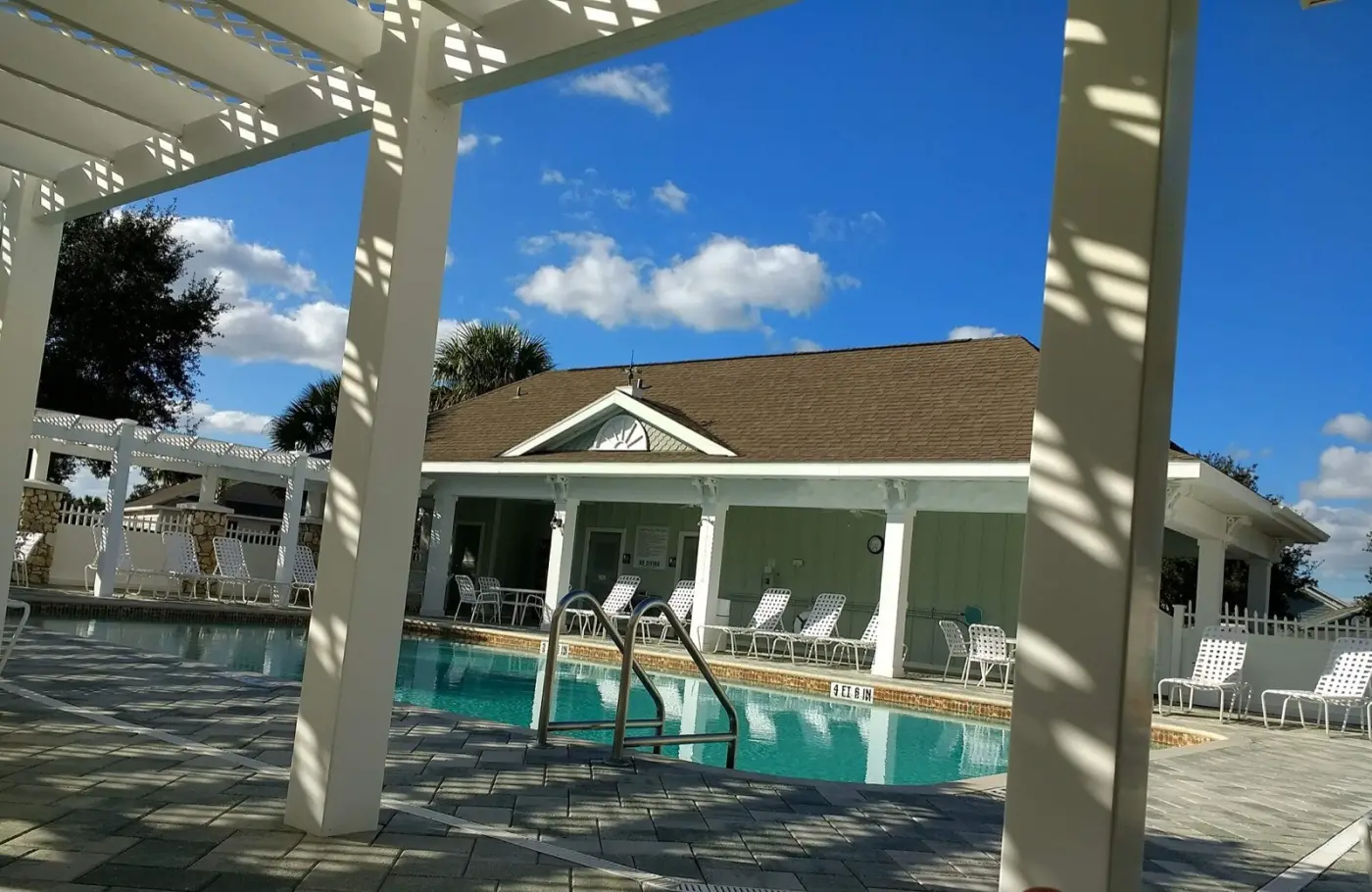
A salt cell, or salt chlorine generator, is the part that makes a salt pool a chlorine pool. It sits in the plumbing after the filter and turns dissolved salt into chlorine every time the pump runs.
How it works
Salty water flows between coated titanium plates. A low-voltage current turns some of the salt into chlorine, which sanitizes the water. As the chlorine does its job, it turns back into salt. That’s why salt is rarely used up. You only lose it with water: splash-out, backwashing, rain overflow.
What the cell needs:
- Salt at the right level, usually 2,700–3,400 ppm. Your manual has the exact range. The pool salt calculator tells you how much to add.
- Water flow. The cell only works while the pump runs.
- Stabilizer at 60–80 ppm so the sun doesn’t burn off the chlorine as fast as it’s made.
Setting the output
The output percentage sets how much of the pump’s run time the cell spends making chlorine. Raise it when free chlorine runs low, lower it when it’s high. Change it by 10–20% and wait a couple of days before judging. If you need more chlorine than 100% can make, run the pump longer or add liquid chlorine to top up.
Cleaning the cell
Scale (white calcium deposits) builds on the plates and cuts output. It builds faster with hard water and high pH.
- Turn off the power and the pump.
- Remove the cell and look through it. Light, spotty scale may not need cleaning yet.
- Use the cleaning solution your manufacturer recommends. That’s often diluted muriatic acid in a cleaning stand, mixed by adding acid to water, never water to acid.
- Soak until the fizzing stops, without leaving it longer than the manual allows, then rinse well.
- Reinstall and check the reading after a day.
Wear goggles and gloves, and work outdoors.
Why it says “low salt” when salt is fine
- Scaled plates read low. Clean them first.
- Cold water. Many cells cut output or read low below about 60 °F.
- An aging cell. As the coating wears, readings drift low and output drops.
- The salt really is low after a lot of rain or draining.
Always confirm with a salt test strip before adding salt. Overshooting can only be fixed by draining.
Keeping pH in check
Salt cells push pH up. Most salt pools need acid every week or two to stay at 7.2–7.6. Keeping alkalinity at the low end, about 60–80 ppm, slows the rise. See how to lower pH.
Salt pool or chlorine pool?
If you’re still deciding, read salt water pool vs chlorine pool.
Run the numbers for your pool
Using your saved pool: . My pool
400 lb of salt
That's 10 bags of 40 lb. Add about half, brush it around, run the pump 24 hours, then test again before adding the rest.
- 40 lb bags
- 10
- Increase
- 3,200 ppm
- Pool size
- 15,000 gal
What to add
- 400 lbPool salt (sodium chloride, 99%+ pure, no iodine or anti-caking agents)
What would change your result
Turn the salt cell off while the salt dissolves, and keep it off until the reading is stable.
Quick answers
How does a pool salt cell work?
Water with dissolved salt flows between metal plates. A low-voltage current turns some of the salt into chlorine, which sanitizes the pool, then turns back into salt.
How often should I clean a salt cell?
Inspect it every few months and clean it when you see white scale on the plates, or as your manual says. Many cells reverse polarity to clean themselves, but hard water still builds scale.
Why does my salt cell say low salt?
Common reasons: scale on the plates, cold water, an aging cell, a bad flow sensor, or salt that really is low. Check with a salt test strip before adding salt.
How long does a salt cell last?
Manufacturers rate cells by operating hours, often several thousand to about 10,000. In practice, that's several years, depending on run time, water balance and cleaning.
Pool costs in your state
What a pool pump and a hot tub cost to run at your state's electricity price.
Keep reading
 How to Raise pH in a Pool: Soda Ash, Aeration or BoraxLow pool pH stings eyes and eats equipment. Here's how to raise it with aeration, soda ash or borax, how much to start with, and why it keeps dropping.
 Pool Green but Chlorine Is High? 4 Real Causes and FixesA green pool with a high chlorine reading usually means metals, too much stabilizer, a misleading test or pollen. Here's how to tell which one you have and what to do.
 Shocked Your Pool? What to Do Next (and Why It's Cloudy)What happens after you shock a pool, how long to wait before swimming, why the water often turns cloudy, and how to tell when the shock has done its job.