Salt Water Pool vs Chlorine Pool: Which Is Better?
A salt water pool is still a chlorine pool. It just makes its own chlorine. Here's how the two compare on cost, feel, upkeep and equipment, and how much salt a pool needs.
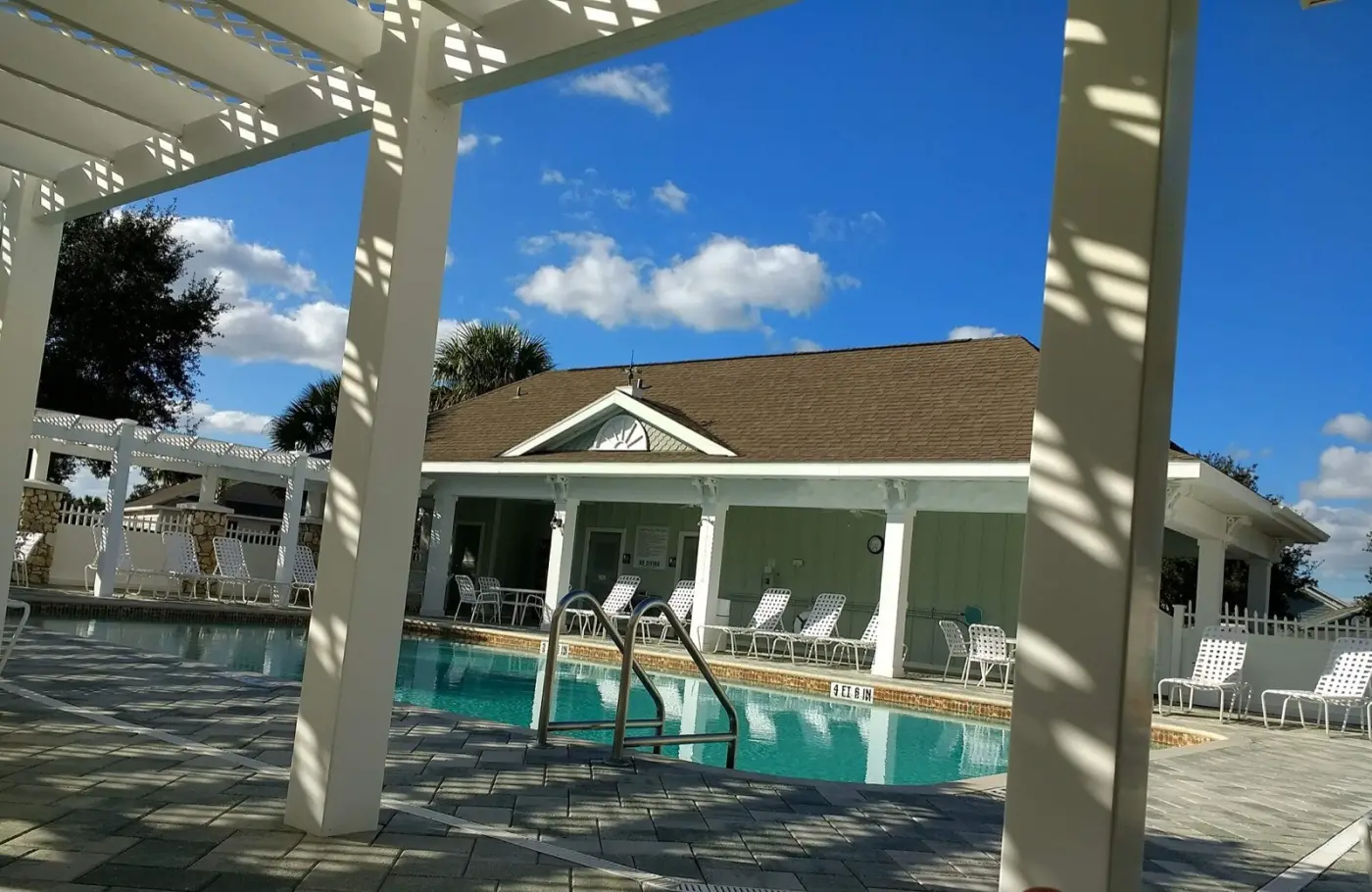
The name is misleading: a salt water pool is a chlorine pool. A salt chlorine generator (salt cell) passes a small current through lightly salty water and makes chlorine from it. What changes is how the chlorine gets into the water, not what keeps it clean.
Side by side
| Salt water pool | Traditional chlorine pool | |
|---|---|---|
| How chlorine is added | Made in the cell, every day the pump runs | Poured or fed by you: liquid, tablets, granules |
| Daily effort | Low: the cell does it | Add chlorine every day or two, or keep a feeder full |
| Upfront cost | Higher: cell, control box, salt | Low |
| Ongoing cost | Electricity, replacement cell every few years, some acid | Chlorine bought all season |
| Feel of the water | Softer to many swimmers | Fine when chlorine and pH are balanced |
| pH | Tends to rise; needs acid regularly | Depends on the chlorine type |
| Ideal stabilizer (CYA) | 60–80 ppm | 30–50 ppm |
How much salt a pool needs
Most cells want 2,700 to 3,400 ppm, and the manual gives the exact range. It takes about 8.3 lb of salt per 1,000 gallons for each 1,000 ppm. So a 15,000-gallon pool filled with fresh water needs about 400 lb to reach 3,200 ppm. That’s ten 40 lb bags.
The pool salt calculator does this for your exact volume and current reading. It also tells you how much to drain if you overshot.
Salt doesn’t evaporate or get used up. You only add more after splash-out, backwashing, heavy rain or draining.
What salt pools need that people don’t expect
- Acid. Salt cells push pH up, so most salt pools need muriatic acid every week or two. See how to lower pH.
- Cell cleaning. Scale builds up on the plates, especially with hard water or high pH. Inspect and clean as the manual says.
- Care with stone. Salt can damage some natural stone copings and decks over time. Sealing helps.
- Still testing. The cell makes chlorine, but you still test free chlorine, pH and stabilizer and adjust the cell’s output.
Which one should you choose?
Choose salt if you want less day-to-day dosing, plan to keep the pool for years and your equipment is salt-compatible. Choose traditional chlorine if you want the lowest upfront cost, have natural stone you’d rather protect, or don’t mind adding chlorine every day or two. Liquid chlorine keeps a traditional pool almost as simple; see liquid chlorine vs tablets.
Run the numbers for your pool
Using your saved pool: . My pool
400 lb of salt
That's 10 bags of 40 lb. Add about half, brush it around, run the pump 24 hours, then test again before adding the rest.
- 40 lb bags
- 10
- Increase
- 3,200 ppm
- Pool size
- 15,000 gal
What to add
- 400 lbPool salt (sodium chloride, 99%+ pure, no iodine or anti-caking agents)
What would change your result
Turn the salt cell off while the salt dissolves, and keep it off until the reading is stable.
Quick answers
Is a salt water pool chlorine free?
No. A salt chlorine generator turns dissolved salt into chlorine. The water is sanitized by chlorine, exactly like a traditional pool.
How salty is a salt water pool?
Around 3,000 to 3,500 ppm, roughly a tenth of the ocean, which is about 35,000 ppm. Most people can barely taste it.
Can you convert a chlorine pool to salt water?
Yes. You add a salt cell and control box to the plumbing and bring the salt level up. Check that your heater, pool surface and any natural stone are rated for salt first.
How long does a salt cell last?
Typically several years, depending on hours of use, water chemistry and how often it's cleaned. Manufacturers rate cells by operating hours.
Pool costs in your state
What a pool pump and a hot tub cost to run at your state's electricity price.
Keep reading
 How to Raise pH in a Pool: Soda Ash, Aeration or BoraxLow pool pH stings eyes and eats equipment. Here's how to raise it with aeration, soda ash or borax, how much to start with, and why it keeps dropping.
 Pool Green but Chlorine Is High? 4 Real Causes and FixesA green pool with a high chlorine reading usually means metals, too much stabilizer, a misleading test or pollen. Here's how to tell which one you have and what to do.
- Pool Salt Cell Guide: How It Works, Cleaning and Low Salt ReadingsHow a pool salt cell makes chlorine, how to clean it, how long it lasts, and why it reads 'low salt' when the water isn't. A practical guide for salt pool owners.