Liquid Chlorine vs Chlorine Tablets: Which Is Better for Your Pool?
Tablets are convenient but add stabilizer and acid every day. Liquid chlorine adds nothing that builds up. Here's how they compare and when each makes sense.
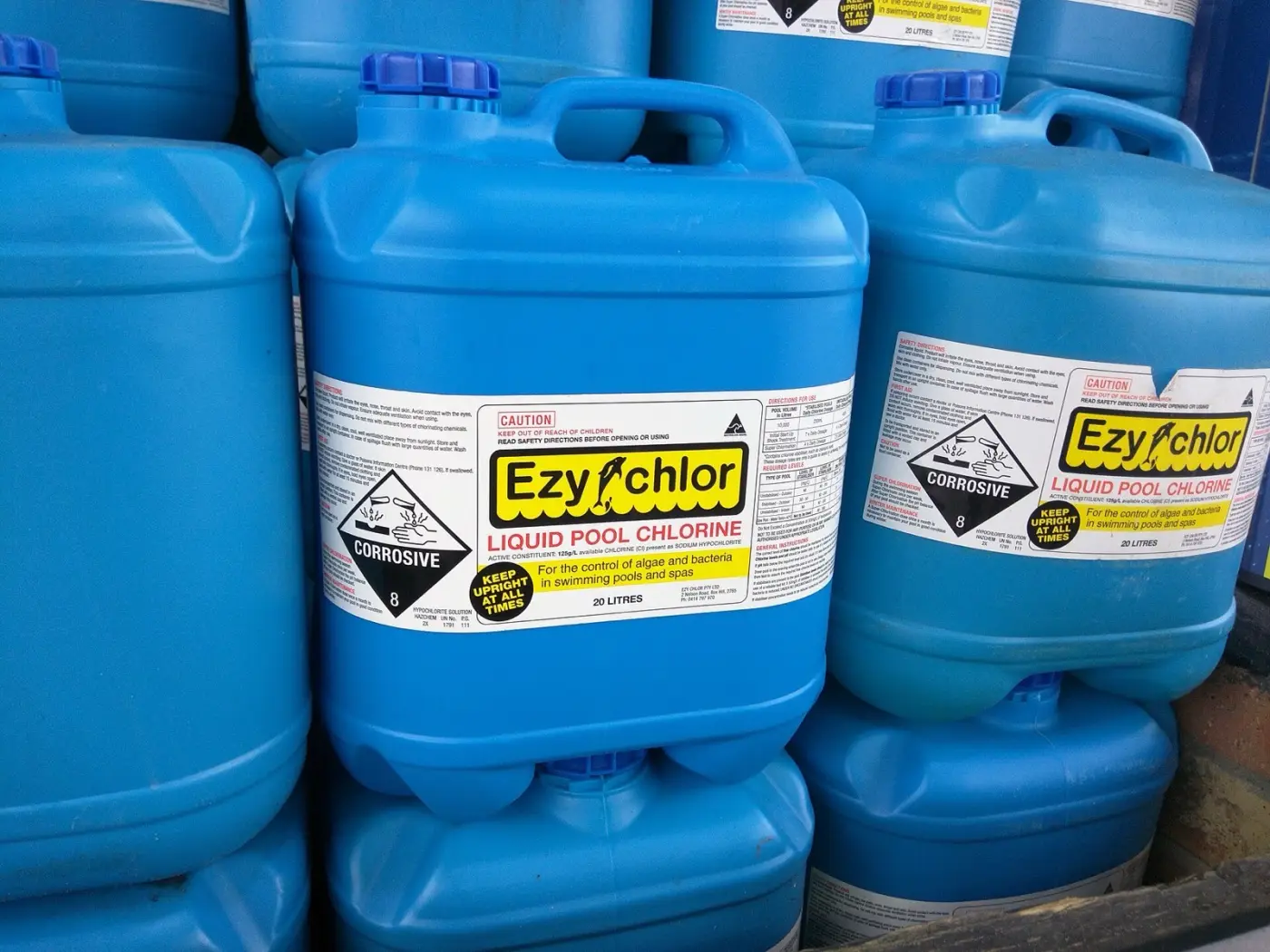
Both keep a pool sanitized with the same thing: free chlorine. The difference is what else comes with it, and that decides how the water behaves over a season.
The short answer
- Liquid chlorine (sodium hypochlorite, 10–12.5%) adds chlorine and a little salt. Nothing builds up that you need to manage.
- Trichlor tablets (about 90%) add chlorine plus stabilizer and acid, every single day.
Tablets are easier. Liquid is easier on the water.
Side by side
| Liquid chlorine | Trichlor tablets | |
|---|---|---|
| Available chlorine | 10–12.5% | ~90% |
| Adds stabilizer (CYA) | No | Yes, ~0.6 ppm per 1 ppm of chlorine |
| Effect on pH | About neutral over time | Lowers it steadily |
| Dosing | By hand or with a pump, every day or two | Floater or feeder, refill weekly |
| Shelf life | Weakens over weeks, faster in heat | Long, if kept dry |
| Handling | Heavy jugs; can splash | Light; strong fumes in the bucket |
Why stabilizer build-up matters
Stabilizer (CYA) protects chlorine from sunlight. But the more you have, the more chlorine you need to keep the water safe. The common rule is about 7.5% of your CYA. A pool that started the season at 40 ppm and has used tablets all summer can reach 100 ppm or more. At that point it needs 7–8 ppm of chlorine daily just to stay clear, and the only way to lower CYA is replacing water. That’s the usual story behind a pool that keeps turning green despite “plenty of chlorine”.
When tablets make sense
- At the start of a season, when CYA is low and needs to rise anyway.
- When you’re away for a week and can’t dose by hand.
- In small amounts, alongside liquid chlorine, with a CYA test every month.
How much liquid chlorine to add
For 10% liquid chlorine, about 12.8 fl oz per 10,000 gallons raises free chlorine by 1 ppm. For 12.5%, about 10.2 fl oz. The pool chemical calculator scales that to your pool and your target, and shows what each product adds besides chlorine.
Buy liquid chlorine fresh and keep it in the shade. A jug left in summer heat can lose much of its strength in a few weeks.
Run the numbers for your pool
Using your saved pool: . My pool
4 chemicals to add
Add them one at a time, a few hours apart, with the pump running. Never mix chemicals together.
- Pool size
- 15,000 gal
- Chlorine target
- 4 ppm
- Stabilizer target
- 40 ppm
What to add
- 6.3 lbBaking soda (sodium bicarbonate) to raise alkalinity by 30 ppm
- 18 lbCalcium chloride (dihydrate, 77–80%) to raise hardness by 100 ppm
- 2.5 lbStabilizer (cyanuric acid) to raise CYA by 20 ppm. Dissolves slowly: use a sock in the skimmer
- 57.6 fl ozLiquid chlorine 10% to raise free chlorine by 3 ppm
What would change your result
Read every product label and follow its safety directions.
Quick answers
Is liquid chlorine stronger than tablets?
No. Tablets are about 90% available chlorine by weight; liquid pool chlorine is 10 to 12.5%. But you dose by the ppm you need, so strength only changes how much product you use.
Do chlorine tablets raise stabilizer?
Yes. Every 1 ppm of chlorine from trichlor tablets adds about 0.6 ppm of stabilizer (CYA). Over a season that can climb past 100 ppm.
How much liquid chlorine do I add to my pool daily?
Enough to replace what the sun and swimmers use, often 1 to 4 ppm a day in summer. For 10% liquid chlorine that's about 12.8 fl oz per 10,000 gallons for each ppm.
Does liquid chlorine lower pH?
Adding it raises pH briefly, but as the chlorine is used up that effect reverses. Over time, liquid chlorine is close to pH-neutral. Tablets, by contrast, steadily lower pH.
Pool costs in your state
What a pool pump and a hot tub cost to run at your state's electricity price.
Keep reading
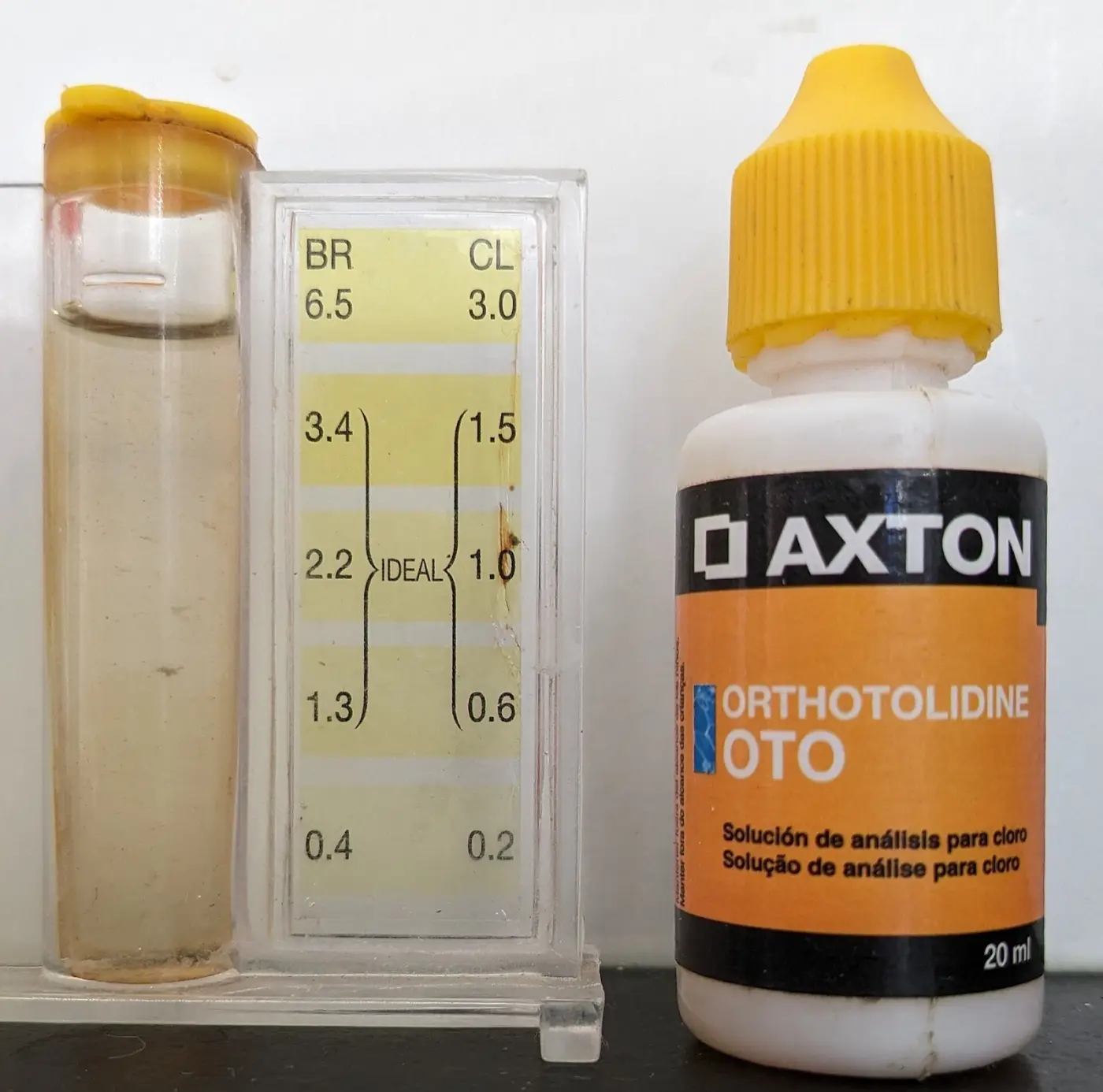 How to Raise pH in a Pool: Soda Ash, Aeration or BoraxLow pool pH stings eyes and eats equipment. Here's how to raise it with aeration, soda ash or borax, how much to start with, and why it keeps dropping.
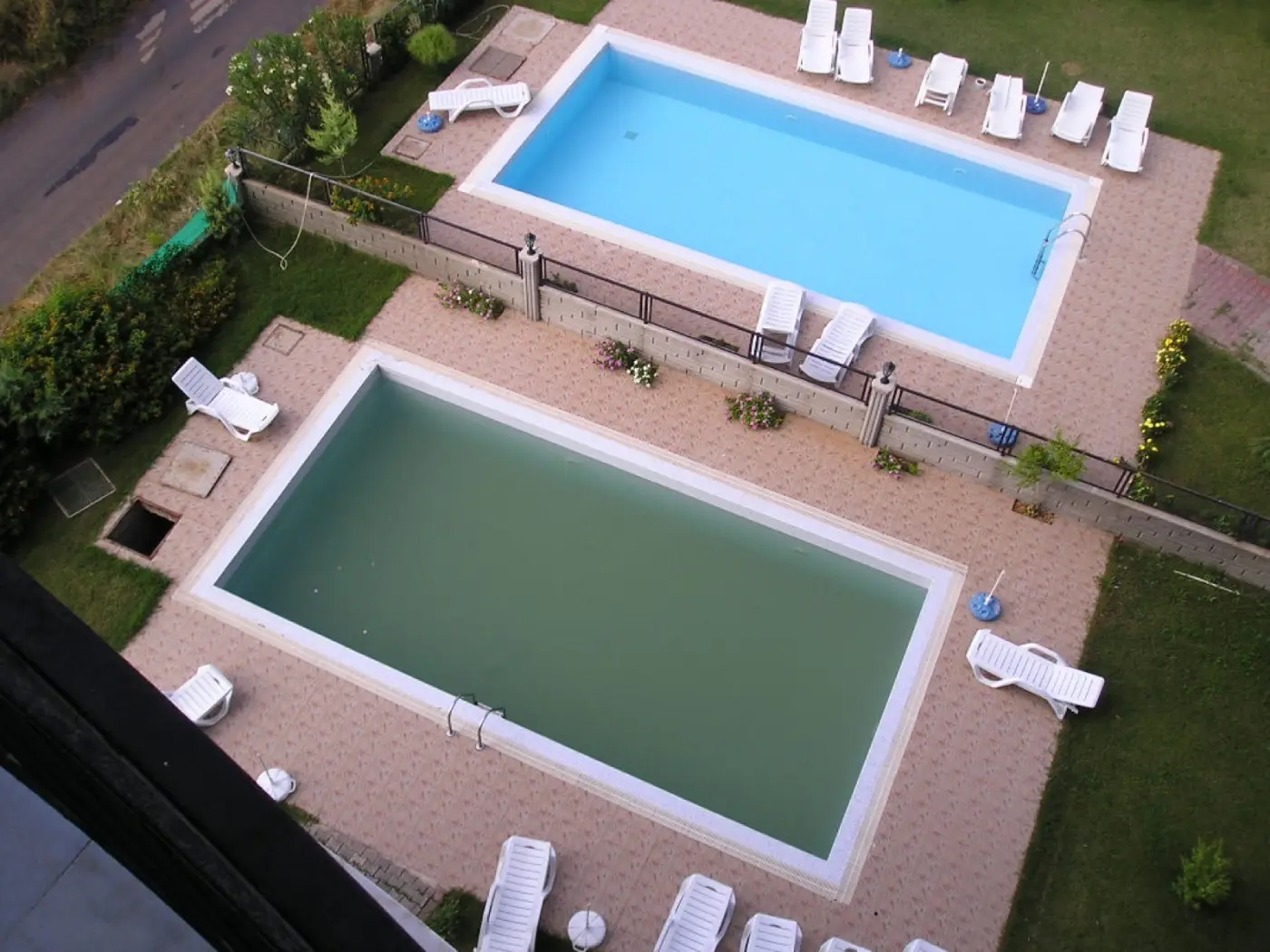 Pool Green but Chlorine Is High? 4 Real Causes and FixesA green pool with a high chlorine reading usually means metals, too much stabilizer, a misleading test or pollen. Here's how to tell which one you have and what to do.
 Pool Salt Cell Guide: How It Works, Cleaning and Low Salt ReadingsHow a pool salt cell makes chlorine, how to clean it, how long it lasts, and why it reads 'low salt' when the water isn't. A practical guide for salt pool owners.