Pool salt calculator
How many bags to add to reach the level your salt cell wants, and how much to drain if you overshot.
In short: Pounds of salt = gallons × (target ppm − current ppm) × 0.00000834. Bringing 10,000 gallons of fresh water to 3,200 ppm takes about 267 lb, or seven 40 lb bags.
Formulas reviewed November 1, 2026 · How we calculate
Using your saved pool: . My pool
400 lb of salt
That's 10 bags of 40 lb. Add about half, brush it around, run the pump 24 hours, then test again before adding the rest.
- 40 lb bags
- 10
- Increase
- 3,200 ppm
- Pool size
- 15,000 gal
What to add
- 400 lbPool salt (sodium chloride, 99%+ pure, no iodine or anti-caking agents)
What would change your result
Turn the salt cell off while the salt dissolves, and keep it off until the reading is stable.
How much salt does a pool need? Chart by pool size
Pounds of salt and 40 lb bags to reach 3,200 ppm, from fresh water or from a typical low reading.
| Pool size | From 0 to 3,200 ppm | From 2,500 to 3,200 ppm |
|---|---|---|
| 10,000 gal | 267 lb (7 bags) | 58 lb (2 bags) |
| 15,000 gal | 400 lb (10 bags) | 88 lb (3 bags) |
| 20,000 gal | 534 lb (14 bags) | 117 lb (3 bags) |
| 25,000 gal | 667 lb (17 bags) | 146 lb (4 bags) |
| 30,000 gal | 801 lb (20 bags) | 175 lb (5 bags) |
Getting it right
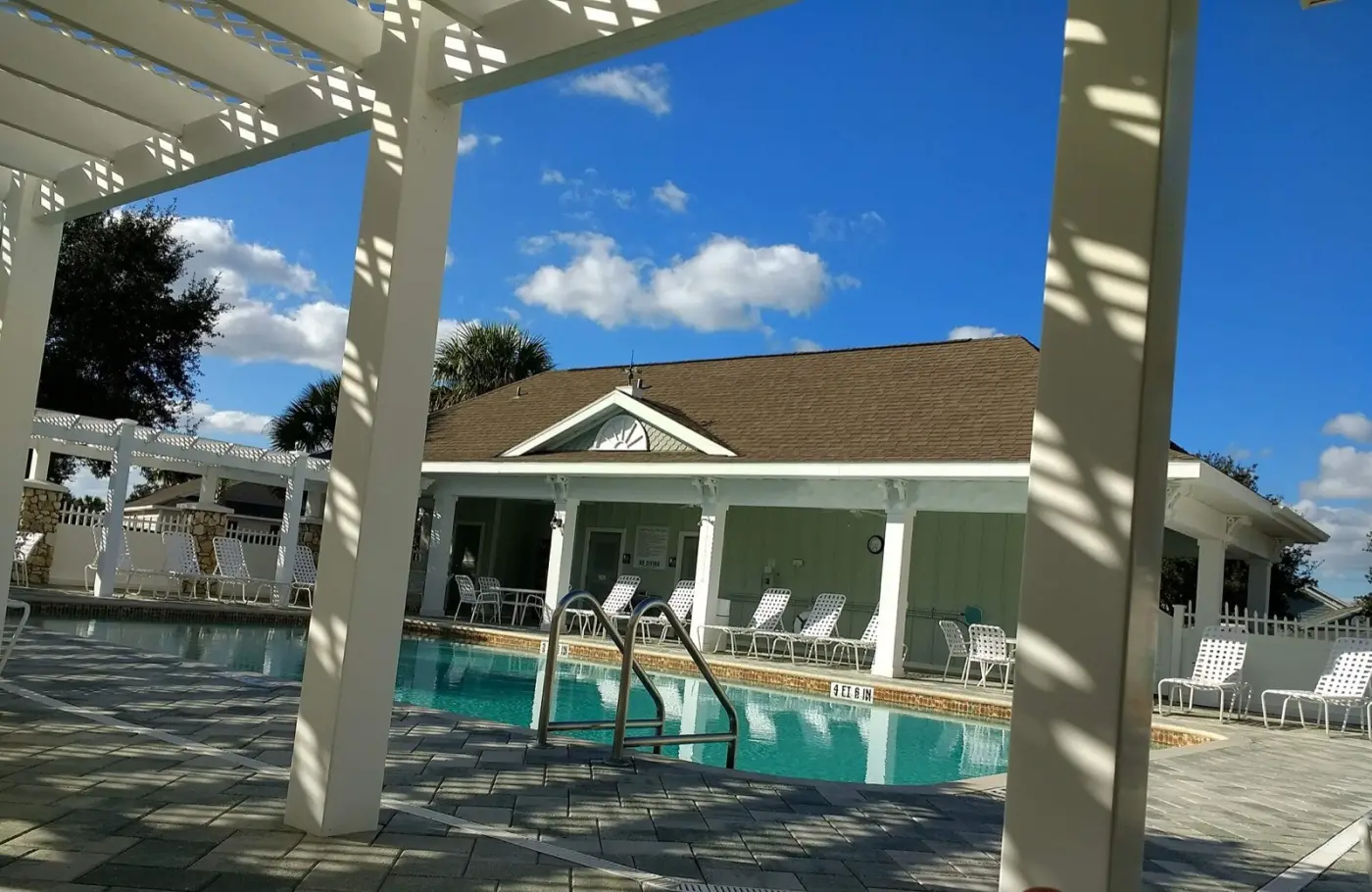

Read the salt level twice. Salt cells estimate salt from current flow, and a scaled or aging cell often reads low. Before adding hundreds of pounds, confirm with a salt test strip.
Add it in the shallow end, with the pump running. Pour it around the perimeter, brush it toward the main drain, and turn the cell off until the salt has dissolved, usually about 24 hours.
Add half, then test. Overshooting is easy to do and only fixed by draining, so the calculator's two-step approach is worth the extra day.
Rain and splash-out lower salt; evaporation doesn't. After a wet week, retest before adding more chlorine-producing time to the cell.
Key facts
- It takes about 8.3 lb of salt to raise 1,000 gallons by 1,000 ppm.
- Most salt chlorine generators run best between 2,700 and 3,400 ppm; the exact range is in your cell’s manual.
- Salt does not evaporate or get used up. Rain, splash-out and backwashing are what lower it.
How it's calculated
Pounds of salt = pool gallons × salt increase in ppm × 8.34 ÷ 1,000,000.
The 8.34 is the weight of one gallon of water in pounds, and ppm means pounds per million pounds of water. Bags are rounded up.
If the salt is already too high, the only fix is dilution. The share of water to replace is 1 − target ÷ current.
Questions people ask
How much salt do I need for a 15,000-gallon pool?
From zero to 3,200 ppm, about 400 lb, or ten 40 lb bags. If the pool already reads 2,500 ppm, you only need about 88 lb, or three bags.
How many bags of salt for a 20,000-gallon pool?
From fresh water to 3,200 ppm, about 534 lb: fourteen 40 lb bags. Starting from 2,500 ppm, about 117 lb, or three bags.
How long does pool salt take to dissolve?
With the pump running and some brushing, usually 24 hours. Test after that, not right away.
What happens if I add too much salt?
Most cells shut down or throw a high-salt warning, and the water can taste salty. Lower it by partly draining and refilling with fresh water.
Can I use water softener salt?
Only if the bag says it is pure sodium chloride with no additives. Avoid rock salt, iodized salt and salt with anti-caking agents or rust inhibitors.
Pool care guides
- Pool Salt Cell Guide: How It Works, Cleaning and Low Salt ReadingsHow a pool salt cell makes chlorine, how to clean it, how long it lasts, and why it reads 'low salt' when the water isn't. A practical guide for salt pool owners.
- Salt Water Pool vs Chlorine Pool: Which Is Better?A salt water pool is still a chlorine pool. It just makes its own chlorine. Here's how the two compare on cost, feel, upkeep and equipment, and how much salt a pool needs.
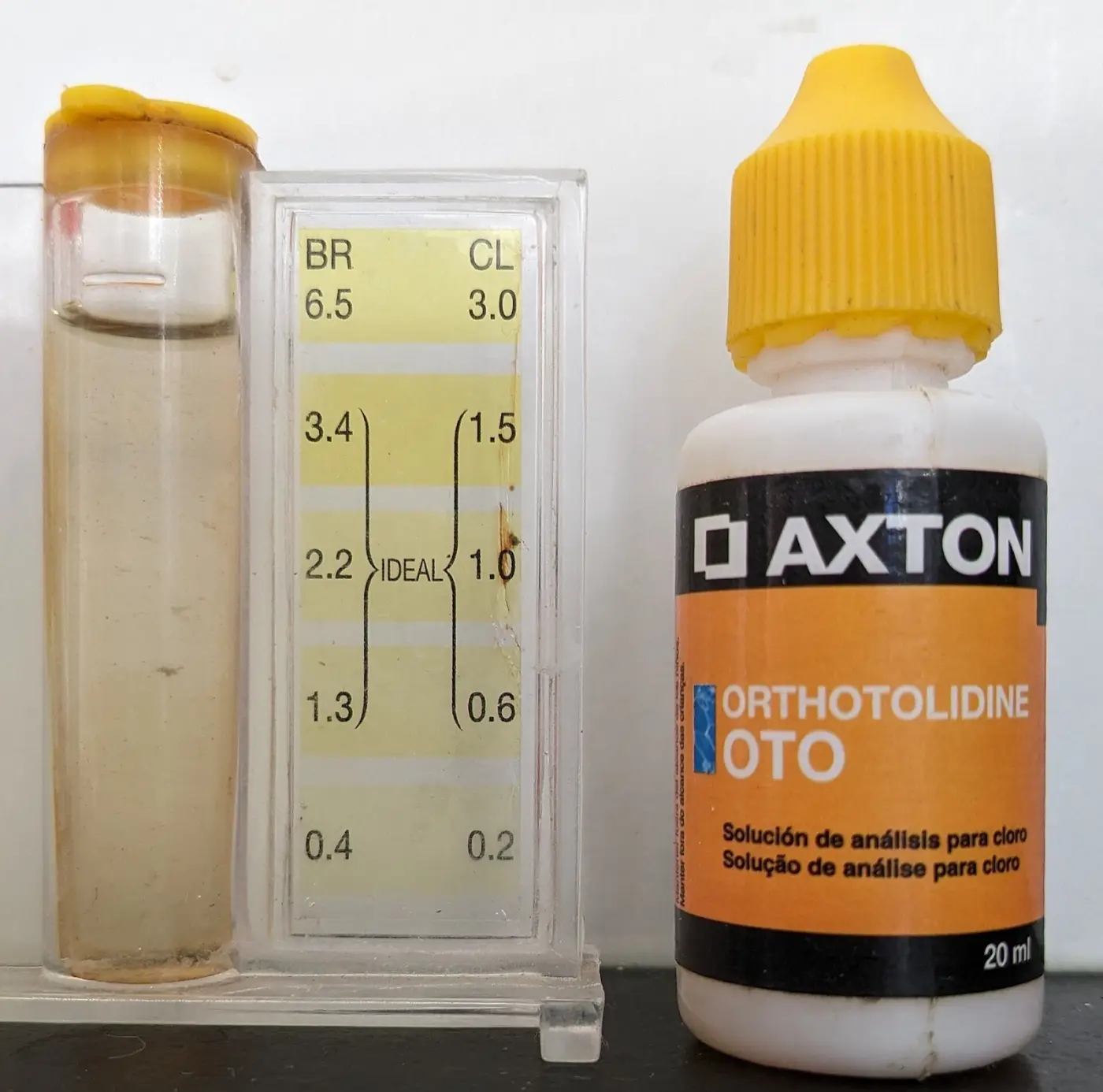 How to Raise pH in a Pool: Soda Ash, Aeration or BoraxLow pool pH stings eyes and eats equipment. Here's how to raise it with aeration, soda ash or borax, how much to start with, and why it keeps dropping.
Other pool calculators
- Pool volume calculatorHow many gallons your pool holds
- Pool chemical calculatorChlorine, alkalinity, calcium, stabilizer
- Pool shock calculatorHow much shock to add
- Pool pump calculatorFlow rate, run time and cost
- Pool heater calculatorBTU size and heat-up cost
- Pool fill cost calculatorWater cost and time to fill
- Pool chlorine calculatorHow much chlorine to add
- Pool heat pump size calculatorWhat size heat pump you need
- Hot tub chemical calculatorSpa chlorine, alkalinity and calcium
- Hot tub electricity cost calculatorWhat your spa costs to run